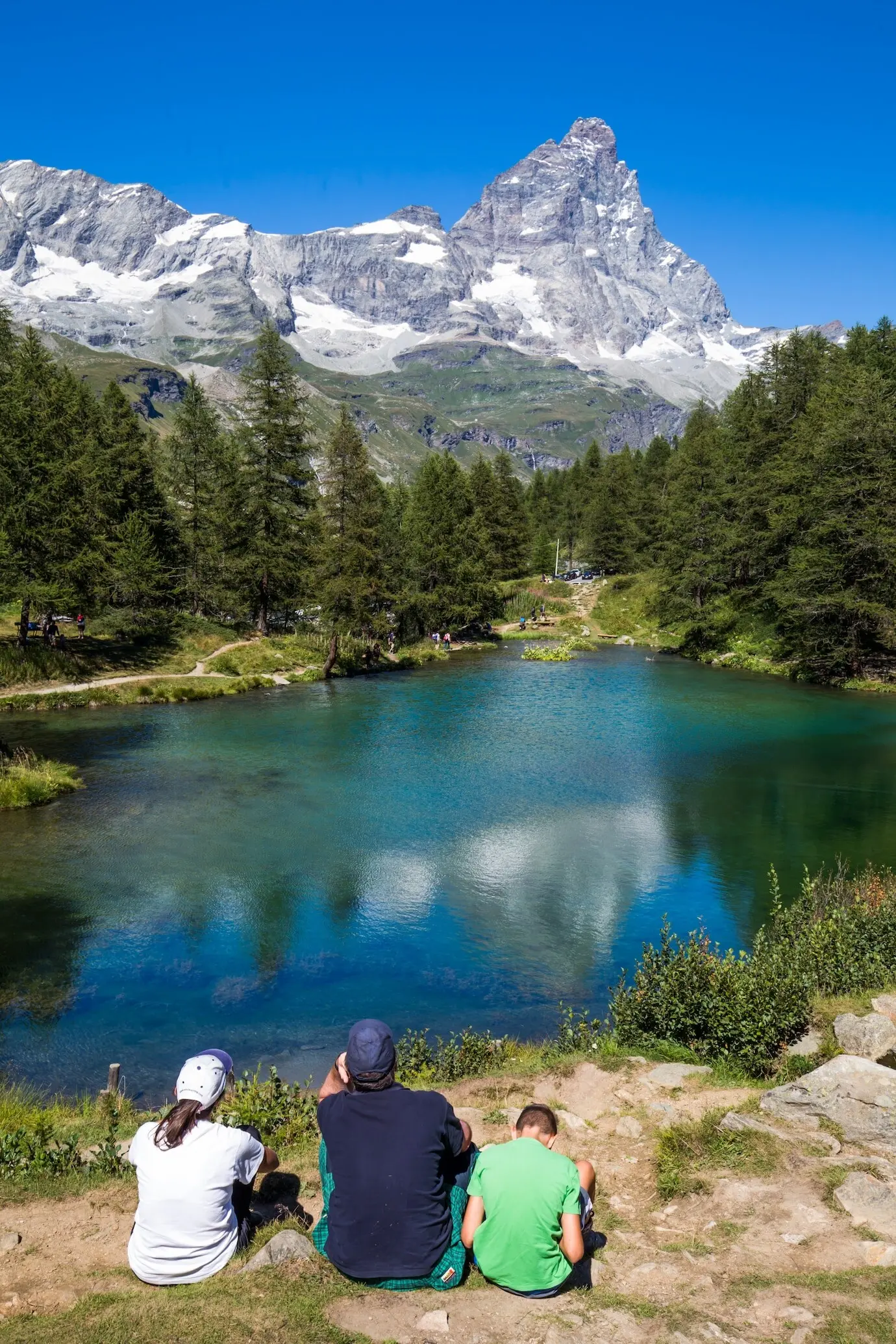
Find Your Way Between Peaks and Passes

Today we dive into Analog Navigation in the Alps: Mastering Map, Compass, and Terrain Reading, empowering you to move with confidence when batteries die and signals fade. Expect practical techniques, field-tested stories, and clear drills to sharpen judgment, independence, and calm under changing mountain skies.

Maps That Reveal the Mountain’s Shape

Alpine maps are precision instruments, not decorations. Learn to compare 1:25,000 and 1:50,000 scales, read tight contour spacing for cliffs, and decode hut icons, glacier hatching, and via ferrata markings. Mastering these details turns paper into foresight, reducing surprises and sharpening planning decisions.

Compass Confidence in Thin Air

Your compass is a quiet ally when clouds press low. In much of the Alps, magnetic declination is small yet meaningful, often one to four degrees; account for it consistently. Practice smooth bearing work, steady pacing, and deliberate checks so wind, fatigue, and noise never steal precision.

Handrails and Guardrails: Rivers, Moraines, and Ridges
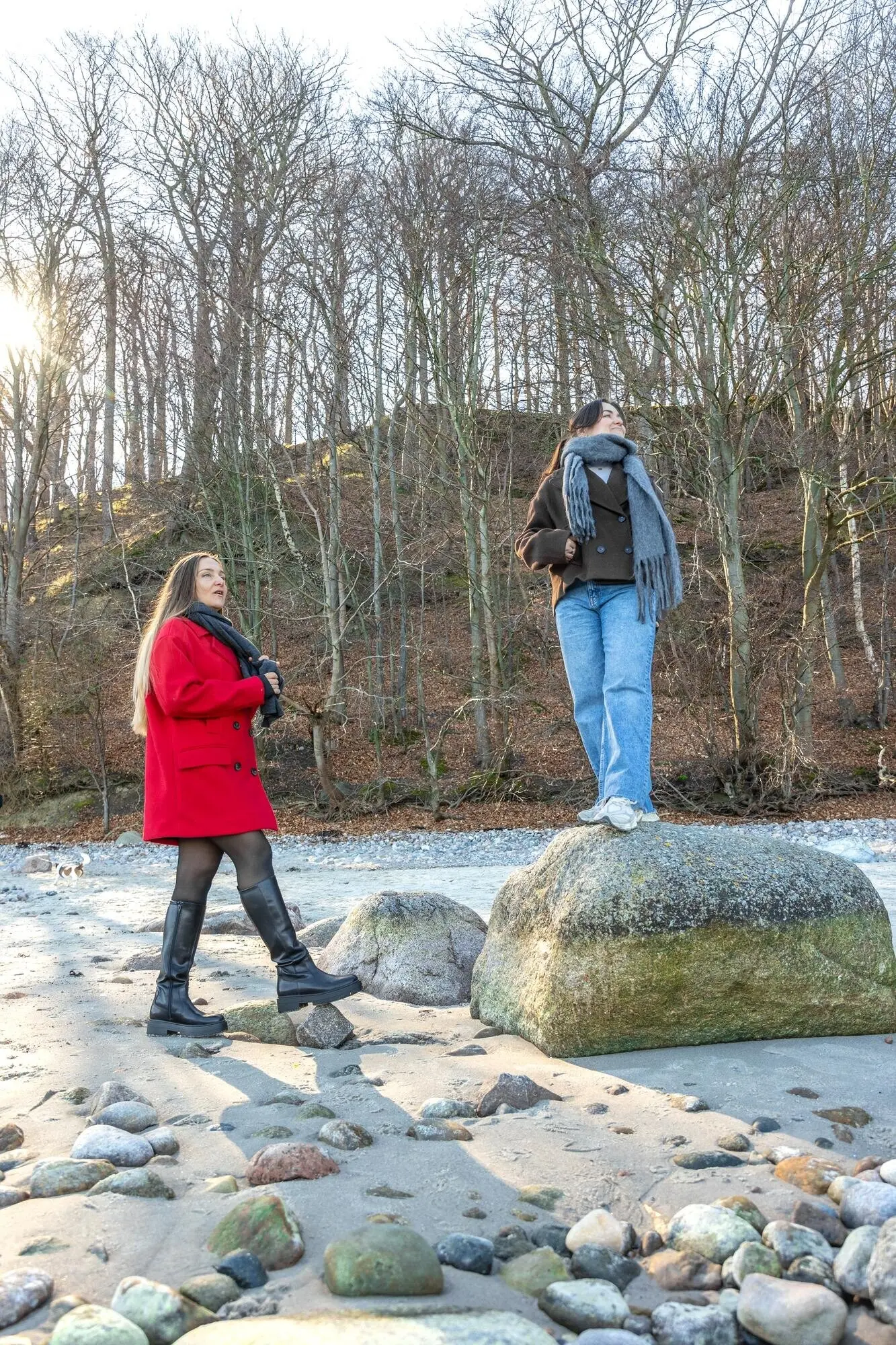
Choose linear features that guide rather than trap. A glacier’s lateral moraine, a tumbling stream, or a forest edge can keep you honest when visibility degrades. Combine these with deliberate checkpoints—bridges, spur junctions, hut terraces—to break long legs into reassuring confirmations without wasting daylight or altitude.

Aiming Off, Boxing, and Attack Points
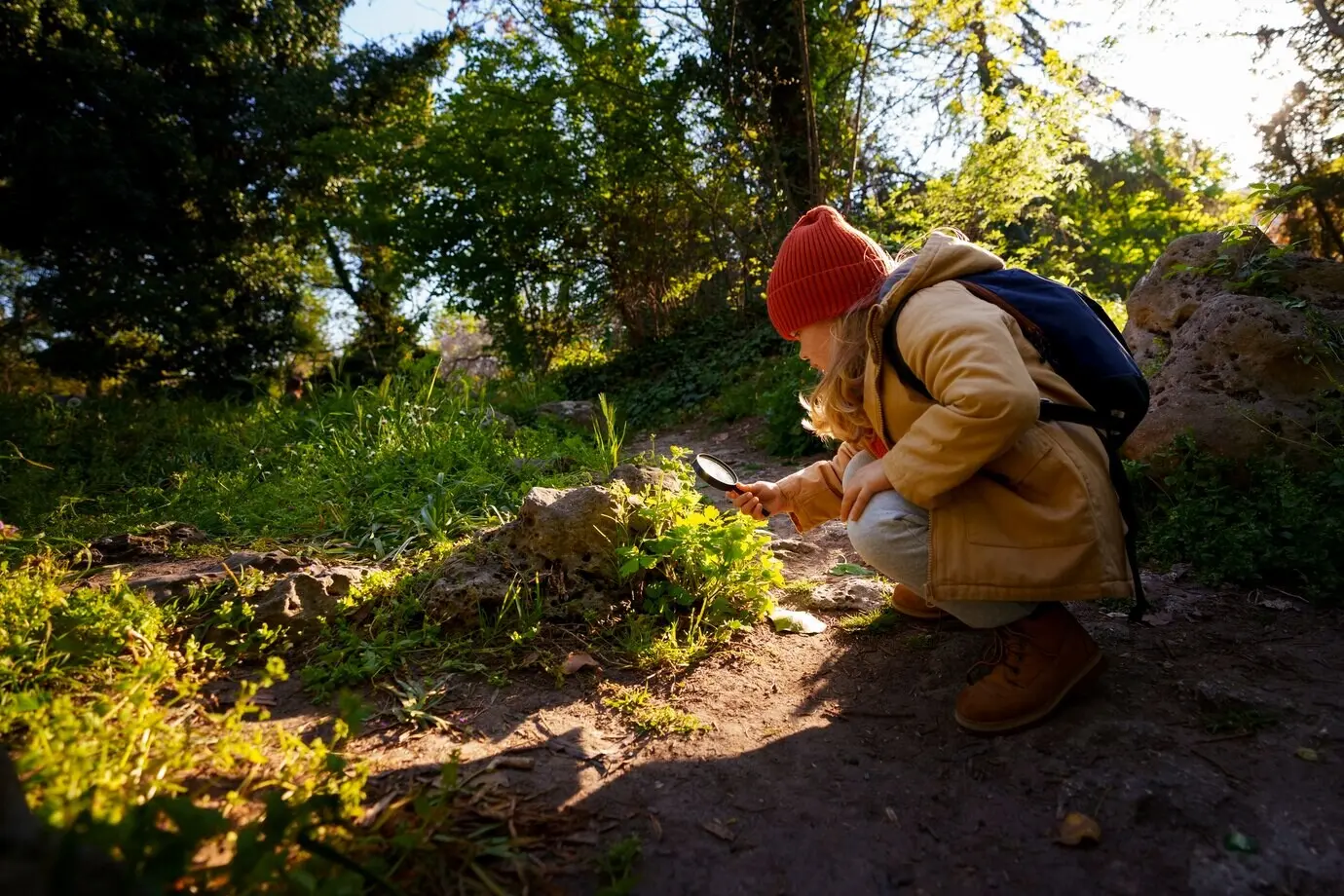
Intentionally bias toward one side of a stream or path so you know which way to turn when you arrive. Box around obstacles with right-angle legs, then home in from a strong attack point. These old-school tactics turn uncertainty into structure and make relocations quick and calm.

Whiteouts, Aspect Clues, and the Barometric Altimeter

When snow erases contrast, feel slope aspect with your hips and boots, watch wind-plumed ridges, and track elevation with a barometric altimeter calibrated at huts or passes. Matching altitude to contours becomes a lifeline, giving you a moving cross-check that does not depend on distant landmarks.

Planning Realistic Days and Safe Decisions

Good plans breathe. Blend map distance with vertical gain, surface conditions, and daylight windows. Use huts as strategic anchors and always sketch bailout lines to lower terrain. Establish turnaround times, discuss intentions with partners, and welcome conservative choices that protect curiosity for future summits and seasons.

Naismith, Tranter, and Real People on Real Paths

Rules of thumb are starting points, not verdicts. Naismith estimates time from distance and ascent; Tranter refines for fitness and terrain. Adjust further for scree, snow, heat, and group size. Record actual splits to calibrate judgment, making each outing a feedback loop that sharpens tomorrow’s plan.

Weather Windows, Föhn Winds, and Afternoon Storms

The Alps reward early starts and humility. Watch for Föhn-driven warmth, building cumulus after midday, and sudden visibility drops. Align crux terrain with stable hours, keeping alternatives ready. A flexible route card, shared with a friend, turns changing forecasts into confident, reversible choices rather than brittle commitments.

Communication, Huts, and Leaving a Clear Plan

Analog navigation thrives on redundancy. Tell a trusted person your intended line, huts, and turnaround time. Sign hut books, ask wardens about snow bridges and rockfall, and carry a whistle. If electronics fail, these simple habits keep rescuers efficient and your party oriented during stressful moments.

Seasonal Tactics: Rock, Snow, and Glacier

Analog methods adapt with the calendar. In summer, rocks expose references; in winter and spring, snow simplifies shapes while hiding hazards. On glaciers, crevasse fields demand disciplined bearings, spacing, and roped travel. Blending contour insight with seasonal sense keeps forward momentum efficient, conservative, and refreshingly independent.

Summer Clarity: Scree, Slabs, and Heat

High sun reveals textures. Scree fans suggest eroding gullies, polished slabs hint at water flows, and dry grass lines mark windy ribs. Plan shade breaks near water, time ascents to cooler hours, and use reflective landmarks wisely so glare, haze, and dehydration never bargain away focus.

Winter Discipline: White Carpet, Few Clues

Winter rewards patient process. Set short, verifiable legs; pace accurately; and lean on altimeter checks at every small rise. Snow fills re-entrants and muffles streams, so rely on slope angle, wind crusts, and cornice patterns. Conservative spacing and clear voice commands keep groups coherent and safe.

Practice Routines That Build Unshakeable Skill

Skills grow when exercised deliberately. Create short, playful drills during safe hikes: silent resection contests, blind legs to obvious handrails, and timed contour-to-ground translations. Capture lessons in a small notebook. Share your results with our community, ask questions, and return next week for new alpine challenges.

The Three-Leg Triangle Drill

Pick three features visible from a meadow—perhaps a pass, a tower, and a hut chimney. Take bearings to each, plot back-bearings, and see where lines intersect. Repeat from a second spot and compare. Discuss results with partners, celebrating tight intersections and analyzing outliers without ego.

Aiming-Off Corridor Test

Choose a stream or track with a distinct junction. Intentionally bias left, then pace to the water and turn right, timing the correction. Swap sides and repeat. By measuring predictability, you will trust the tactic when visibility shrinks and pressure rises near consequential terrain features.

Contour-Only Map Memory Walk

Cover place names and paths with sticky notes. Study just the contour shapes, then walk a short loop describing every slope change aloud. Compare impressions to the map afterward. This habit wires terrain intuition, making future relocation faster, calmer, and less dependent on distant visual cues.
Fafapunumarufaroxupeni
Privacy Overview

This website uses cookies so that we can provide you with the best user experience possible. Cookie information is stored in your browser and performs functions such as recognising you when you return to our website and helping our team to understand which sections of the website you find most interesting and useful.