Breath of Silver: Alpine Journeys on Film

Today we set out on Film Photography Expeditions: Capturing Alpine Adventures Without Screens, carrying quiet mechanical cameras, slow patience, and the promise of honest light. Expect crackling frost, measured steps, hand-written notes, and the soulful thrill of waiting to discover what the mountains gave your emulsion.

Choosing a Dependable Camera

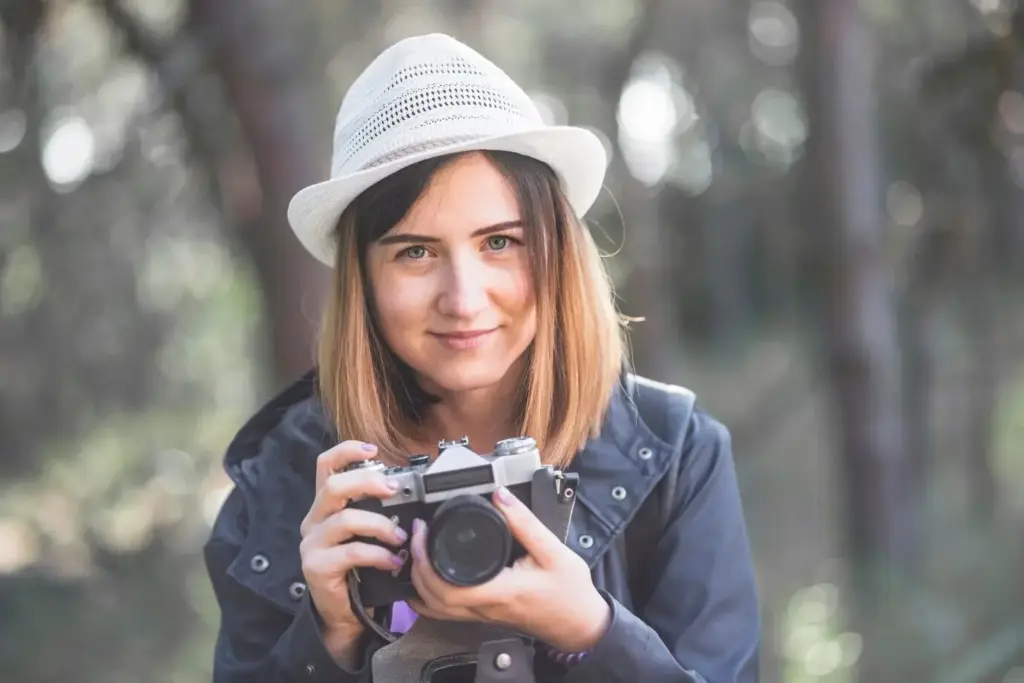
Favor a fully mechanical 35mm or medium format body that fires without batteries, shrugging off cold like an experienced mountain guide. An FM2, OM-1, or Hasselblad 500 series keeps distractions minimal. Reliability first, because simplicity safeguards focus when wind claws at zippers and clouds sprint across granite.

Selecting Film for Altitude and Cold

Velvia for slicing light and saturated dawns, Portra for skin tones on hut terraces, and HP5 for resilient latitude when storms surprise. Cold slows emulsions, so meter carefully and store rolls close to your core. A few pushes or pulls can echo the mood the mountain actually gave.

Lenses That Earn Their Place

One wide, one normal, and maybe a compact telephoto usually beat a heavy zoom. Prime lenses encourage moving your feet, reading terrain, and composing deliberately. A small polarizer and lightweight hood tame glare on snowfields. Every extra gram should justify itself on the climb and the descent.

Trust the Map, Read the Sky

Paper maps, a compass, and patient observation keep your route honest and your timing kind. Contour lines teach elevation like poetry; clouds tell stories about wind shears and incoming fronts. When you work without glowing aids, the alpine becomes a teacher, and your pace becomes observant, humane, and wise.

Route Planning With Paper Confidence

Trace ridgelines and cols the night before, noting bail-out options where scree or crevasses complicate progress. Mark sunrise bearings to predict first light on faces you want to frame. A pencil in the map margin becomes your quiet partner, recording altitudes, timings, and hopeful compositions along the way.

Weather Signs and Mountain Light

High, fast cirrus often whispers fair weather; dark, growing cumulus warns about afternoon electricity. Watch wind plumes on distant summits, and learn how valleys funnel cold air. This attention rewards you with moments when light breaks under a cloud edge, turning a moraine into silver for a minute.

Lines of Stone and Snow

Composition in the high country rewards patience and purposeful movement. Limestone ribs become leading lines; cornices sculpt negative space; a single red jacket gives scale to a thousand meters of ice. Without on-screen review, you trust your instincts, framing narratives that breathe like thin air and bright silence.

Taming White on White

Snow fools meters and seduces eyes. Your task is to keep highlights singing while preserving structure in shade. Learn to compensate, use filters judiciously, and bracket responsibly. The reward is luminous detail across alpine whites, where texture, contour, and wind-scripted patterns carry emotion rather than empty brightness.

Caring for Emulsions in Harsh Conditions

Cold, condensation, and travel checkpoints test your patience and your film. With a few careful habits, negatives emerge pristine. Keep rolls warm, manage temperature changes slowly, and protect them from deep scans when possible. Your future prints will thank every small precaution you take along the trail and homeward.

01

Managing Cold and Brittleness

At subzero temperatures, emulsions stiffen and leader tips crack. Carry film close to your body, and advance slowly to avoid tears. Mechanical shutters may slow; compensate with exposure notes. When gloves numb, pause rather than rush. Treat the camera like a companion, not a tool to be forced.

02

Condensation: The Invisible Enemy

Moving from icy air into warm huts fogs optics and risks moisture inside bodies. Seal gear in a bag before entering, letting temperature equalize gradually. Resist the urge to peek. With patience, glass clears cleanly, and you avoid moisture spots that spoil highlights you worked so carefully to protect.

03

Traveling Through Airports and Borders

Request hand checks politely and arrive early. Explain that high-speed film can fog under strong X-rays, especially after multiple scans. Use clear pouches and keep rolls unboxed for quick inspection. A calm smile, labels, and respect for staff usually shepherd your images safely toward the darkroom they deserve.
Ethics, Footprints, and Quiet Respect

Stewardship defines the legacy of your images. Step lightly, leave stones and flowers where they belong, and give wildlife generous boundaries. Speak with locals, listen more than you direct, and photograph with dignity. Beautiful photographs feel better when the path they came from remains unscarred for others and tomorrow.
Fafapunumarufaroxupeni
Privacy Overview

This website uses cookies so that we can provide you with the best user experience possible. Cookie information is stored in your browser and performs functions such as recognising you when you return to our website and helping our team to understand which sections of the website you find most interesting and useful.