Stillness Above the Tree Line

Today we explore Alpine hut and shelter design guided by Slow Design principles, embracing patient observation, modest footprints, and deep respect for changing weather, culture, and craft. Expect thoughtful details, real stories, and practical frameworks you can adapt. Share your mountain experiences, sketches, or questions in the comments, and subscribe to follow future journeys through resilient, human-centered architecture aligned with the rhythms of altitude, effort, and care.

Stillness as a Building Material

When a building meets a mountain, haste becomes fragile. Slow Design invites time into every decision, letting wind, thaw, footsteps, and silence teach what drawings cannot. By prioritizing patience, human scale, and frugality, Alpine shelters can feel inevitable rather than imposed. A caretaker once told me he learned more from one winter storm than a dozen surveys. That humility—listening longer than we speak—becomes the strongest structure of all.

Reading the Mountain’s Pace

Walk the site in different seasons; notice where snow scours, where marmots burrow, where lichens thicken, and where the föhn bites hardest. Map fatigue into distance: how people arrive hungry, damp, and dazzled. Place an entry where relief is immediate, not dramatic. Slow choices begin with unhurried observation, returning at dusk and dawn until the patterns repeat clearly. Let the mountain set the tempo; design follows its measured, generous beat.

Materials that Age with Grace

Select surfaces that register time honestly: larch that silvers, stone that gathers lichen, brass that deepens under touch. Favor finishes that can be renewed with a brush, not replaced with a crane. Patina becomes wayfinding and memory; guests feel welcomed by marks left from many careful hands. Slow Design respects repair over novelty, choosing details that still look right after storms, sun, and a century of boiled tea and boot buckles.

Finding Shelter in Wind and Light

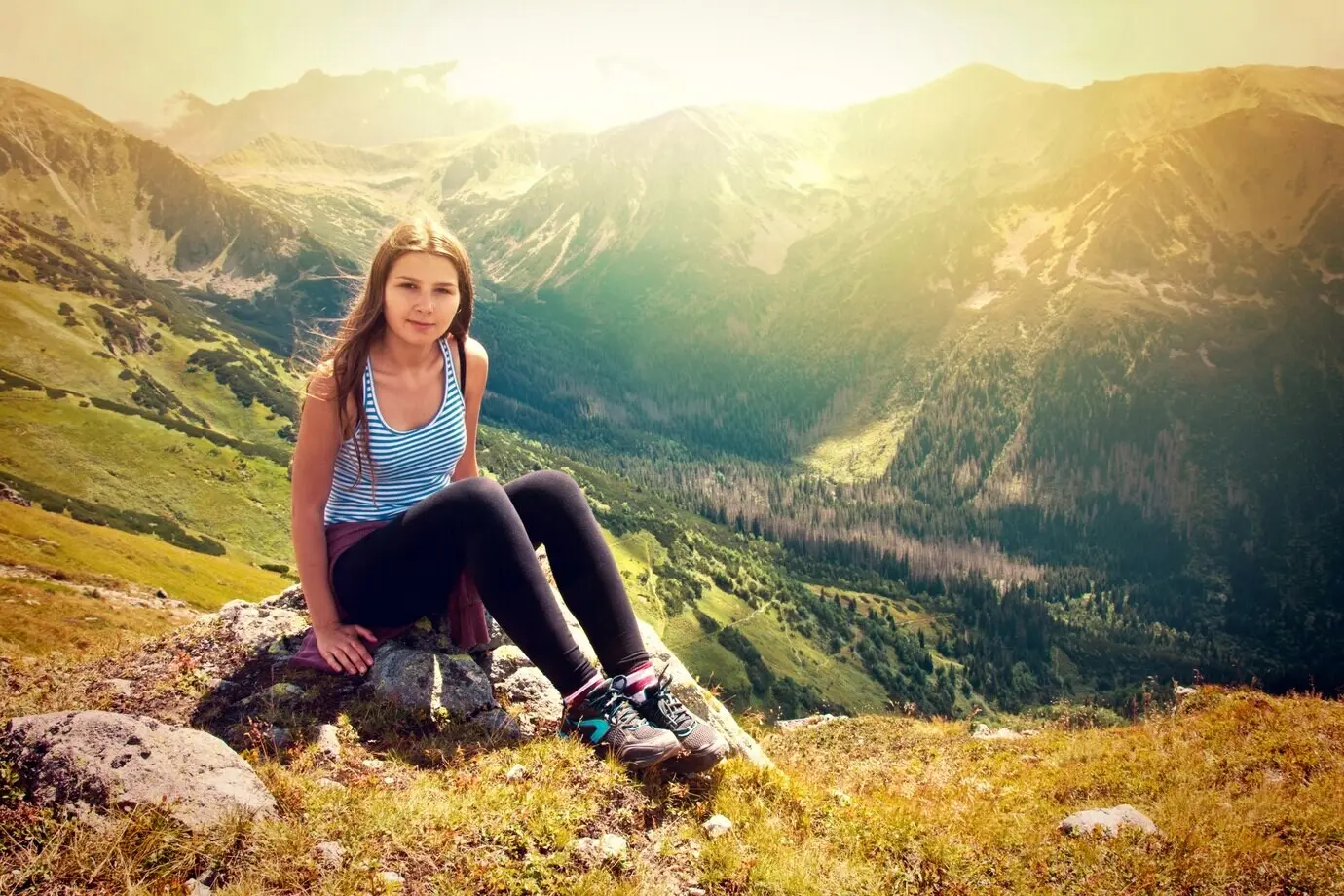
Comfort begins with orientation. A hut that knows its winds keeps doors dependable and sleep unbroken. A hut that understands light needs fewer switches and longer evenings. Slow Design studies microclimates patiently, locating entrances in the lee, windows where sun stretches warmth, and service paths away from drifting snow. The goal is not a postcard view, but a durable, repeatable kindness to tired bodies arriving across ice, scree, and brimming weather.

Timber, Stone, and Handwork

Material choices write the hut’s biography. Local stone grounds weight, timber carries warmth, and handwork ties pieces into a community of care. Slow Design asks how each element is quarried, milled, carried, fixed, and repaired. Simple tools, reversible joints, and teachable details invite volunteers to participate safely. When walls breathe and floors squeak honestly, the building becomes readable. That readability makes future repairs simpler and invites pride instead of anxiety.

Local Stone, Low Transport

Use what the mountain offers without wounding it. Gather boulders from scree, not fragile meadows. Dry-stacked or lightly mortared walls provide mass that tempers temperature swings and anchors against gusts. Fewer helicopter lifts reduce cost and carbon, while stone masons pass on techniques that weather cannot bully. Label stones in staging, photograph courses, and leave a map for the next team. Materials with short journeys tell longer, steadier stories.

Timber Joinery that Breathes

Choose larch or spruce from nearby valleys, seasoned slowly to relax internal stresses. Favor pegged, screwed, and notched assemblies over foams and hidden glues. Diffusion-open walls with wood fiber insulation handle moisture kindly, forgiving small mistakes. When condensation meets patience, mold has fewer chances. Teach apprentices why joints shed water rather than trap it. A wall that breathes aligns with lungs recovering from the climb, and with repairs performed decades later.

Repairable Layers

Design every surface as a layer that can be removed and renewed. Use screwed cladding, accessible service chases, and standardized fasteners shared across the project. Document each detail with sketches stored on-site, not only in clouds. When storms chew an edge, the fix should be specific, not catastrophic. Repair literacy turns guests into stewards: a spare shingle, a borrowed driver, a note in the logbook. Longevity becomes a collaborative, joyful habit.

Passive Heat First

Let the plan be small and thick, with south-facing glazing sized for winter sun and protected by shutters against night losses. Stack sleeping spaces under the warm roof, and keep circulation tight. Airlocks at entries save surprising energy and comfort. Thermal curtains, wool blankets, and shared tables amplify warmth without wires. These simple moves endure when fuel is scarce, guiding guests toward slower evenings, shared stories, and an early, well-earned rest.

Small Systems, Big Reliability

Choose a tiny, efficient stove with a broad cooktop and a flue easy to sweep in gloves. Pair micro-PV with a ruthless lighting plan and battery storage sized for bad weeks, not sunny days. Gravity-fed water lines and drain-down fittings protect against freeze. Mechanical rooms must be readable at a glance, labeled like a friend’s kitchen. Spares live on-site, and instructions assume exhaustion. Reliability grows when complexity bows to clarity.

Acoustic Quiet

After wind and effort, noise carries differently. Use timber ceilings, felted hooks, thick curtains, and cork floor runners to soften clatter. Place drying rooms away from bunks, and separate early starters from late arrivals with thoughtful door sequences. Slow Design treats sound as comfort, not luxury. The reward is an evening hum of cards, mugs, and low conversation—never the sharp rattle of a loose sheet-metal edge calling the mountain back inside.

Warmth Without Hurry

True comfort at altitude begins passively: compact forms, snug vestibules, well-sealed doors, and thermal layers that forgive imperfect use. Small, dependable systems come second. Slow Design favors low loads, simple controls, and equipment that can be taught in minutes and maintained with mittens. Silence matters too; calm rooms and steady temperatures help bodies recover. By reducing demands first, energy becomes resilient, and the hut remains welcoming when the forecast changes unexpectedly.

Hospitality on the Ridge

Rituals of Arrival

Guide newcomers effortlessly: a bench for unbuckling, pegs at shoulder height, a deep tray for melting snow, and a window seat oriented toward alpenglow. Label things with friendly verbs, not orders. Offer hot water access without negotiation. The first five minutes set the mood for the night. When circulation reads like a story—shed weight, find warmth, see horizon—gratitude replaces confusion. Design the ritual once; it will be rehearsed thousands of times.

Care for Volunteers and Wardens

Work is lighter in rooms that teach themselves. Keep cooking tools within a single reach, knives visible, and spices labeled boldly. Provide a bunk near the kitchen for late cleanups and early starts. Storage must be obvious and generous, with crates that match shelf widths. Slow Design honors those who keep doors open and stoves clean by giving them ergonomics, daylight, and dignity. Their care, multiplied daily, becomes the hut’s real luxury.

Signage that Guides Gently

Use icons, short phrases, and humor instead of warnings. Place signs where decisions happen: at thresholds, not after mistakes. Translate essentials and test with tired friends for clarity. Materials should match the hut’s voice—wood-burned letters, not plastic shout. Invite stewardship: “Carry meltwater together,” or “Close shutters before stars.” Leave a physical guestbook and a QR code; stories and sketches teach future visitors with more warmth than any rule ever could.

Leaving a Lighter Trace

Sustainability at altitude is more logistics than labels. Slow Design plans for long gaps between deliveries, frozen pipes, and the honest end of materials. It values composting toilets, tidy waste systems, and reversible assemblies. When disassembly is considered from day one, future crews will thank you. The lightest footprint is not only ecological; it is emotional too, returning the mountain at departure as calm as it was on arrival.
Fafapunumarufaroxupeni
Privacy Overview

This website uses cookies so that we can provide you with the best user experience possible. Cookie information is stored in your browser and performs functions such as recognising you when you return to our website and helping our team to understand which sections of the website you find most interesting and useful.